History of the Sega Genesis
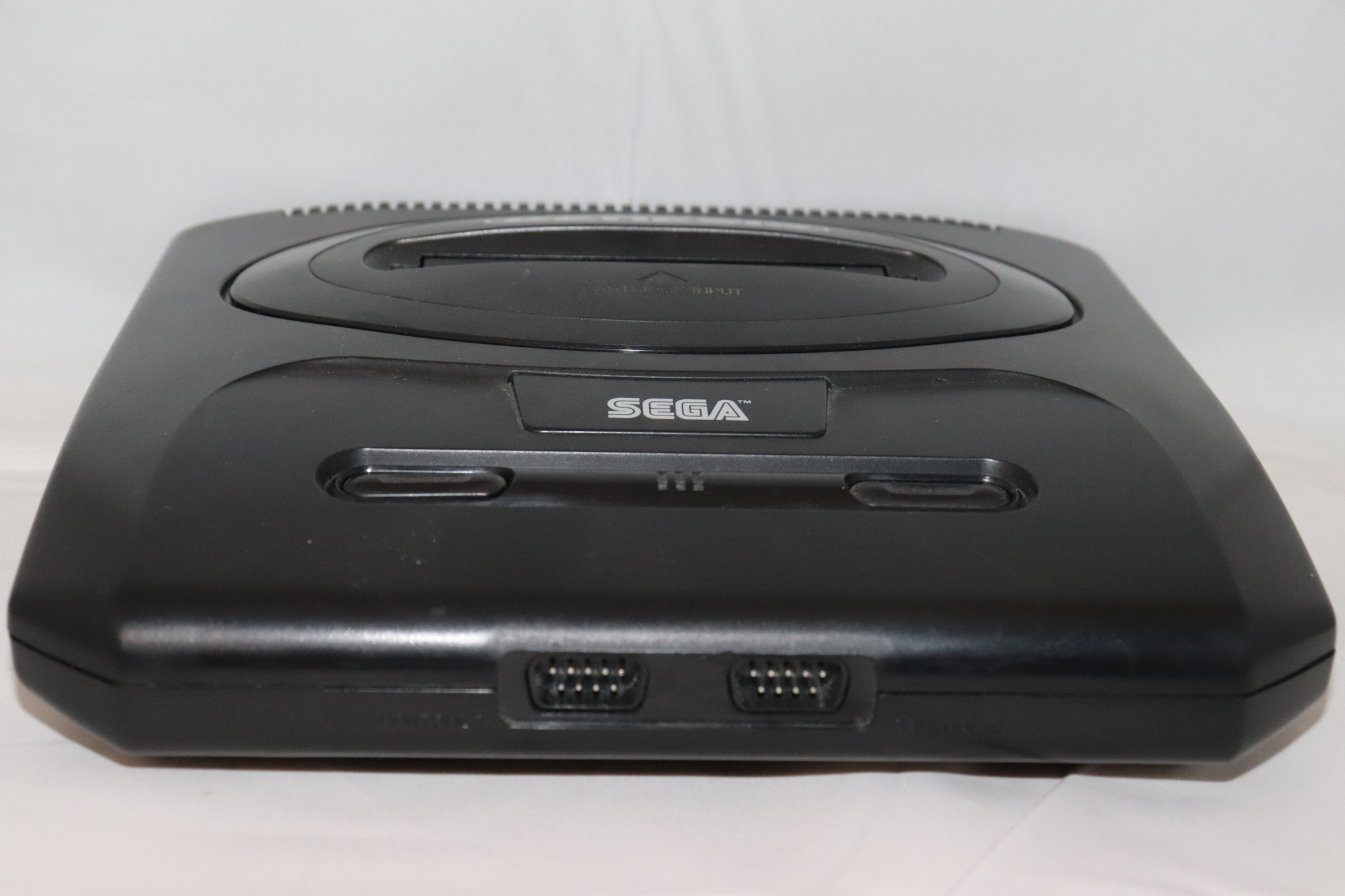
Initial Production
Following the success of the NES, many other companies began exploring how to break into the console gaming market. The success of the Nintendo Entertainment System (NES) made the market seem impenetrable. However, as time went on, the NES began to appear more and more dated, prompting companies to begin looking for ways to end Nintendo’s dominance as the holder of the vast majority of the market share. Sega’s answer to the ageing NES was the Sega Master System, released in 1986. As arcade manufacturers began developing more complex games than the NES could run, Sega saw an opportunity for a new home gaming console. The Sega Master System was more of a test-run for Sega, and it did not sell very well. Immediately after the release of the Master System, work began on an upgraded, more powerful system. Sega’s goal was to create a significant technological jump over the NES, so that the gaming industry could move forwards with a new target console for developers. As the final design was nearing completion, everything came to a halt. Rumours of an upgraded 16-bit version of the NES (later revealed as the Super Nintendo Entertainment System) caused Sega’s engineers to head back to the drawing board. Determined to create a more powerful console than Nintendo, the engineers re-designed their new console to fit a 16-bit architecture.
Launch
In 1988, Sega released their new home console in Japan. Officially it was named the Sega Mega Drive, however the trademark for the name was held by a company called Mega Drive Systems in North America. Thus, the console was renamed to the Sega Genesis for the North American Market. At launch it featured two games, Space Harrier II and Super Thunder Blade. The console sold out in its first two days and was considered a success. The Sega Master System had not sold well in the North American market, so Sega sought a new distribution partner for the region, ultimately working with Atari. Atari were very eager to work with Sega, as they had missed out on a distribution deal for the NES at the last minute, and ever since had been looking for a chance to enter the market. The Sega Genesis was released in North America in 1989. North America proved to be its most successful region.
Competition
The success of the Genesis was predicated on one crucial detail: the market dominance of Nintendo and the NES. Sega initially faced struggles as most game developers had a strong relationship with Nintendo and were hesitant to create games for a brand-new console without long-term success behind it. Sega focused on working with developers to create ports of arcade games, which helped them build a stronger relationship with many developers, leveling the playing field with Nintendo. Advertisements for the Genesis focused on the ability to play arcade games from home. Sega also partnered with celebrities to create games. Advertisements for the Genesis called it the most powerful gaming system, and painted the SNES as the technologically inferior console. Nintendo had to spend lots of time and money to erase the reputation of the SNES as the weaker product. Overall, Sega’s strategy worked well, and the Genesis proved to be a formidable competitor to the SNES. In fact, it actually outsold the SNES initially, before ultimately falling behind. The release of Sonic the Hedgehog in 1991 caused another surge in sales for the Genesis, with Sonic becoming the mascot of Sega, similar to Nintendo’s mascot, Mario. In a finale to the raging competition, both companies began a series of rapid price reductions to their consoles, each company trying to outdo the other in an attempt to gain more market share, with both consoles ultimately being priced at $99 in 1992.
Legacy
By 1995 Sega had begun focusing on the Sega Saturn, their next console. The Genesis was sold in North America until 1999. In total, roughly 30 million consoles were sold worldwide. The Sega Genesis left a long-lasting legacy. The Genesis featured the beginning of many iconic gaming franchises, most notably Sonic the Hedgehog. The Genesis’ competition with the SNES was excellent for both the industry and consumers, as it forced Nintendo to innovate and spend lots of effort making the best console and games they could. The Genesis also led the way with rapid price cuts, forcing Nintendo to follow, making gaming more affordable than ever. Although Sega ultimately lost the competition to Nintendo, the Genesis still sold well beyond what anyone had imagined, remaining Sega’s most sold gaming console to this day. Undoubtedly, The Genesis was a great success.
Works Cited
“History of the Sega Mega Drive.” Sega Retro, Sega Retro, 8 Apr. 2025, segaretro.org/History_of_the_Sega_Mega_Drive.
“Mega Drive.” Sega Wiki, Fandom, Inc., sega.fandom.com/wiki/Mega_Drive.
Record Head. “Sega Consoles: Gaming Console.” Record Head, 17 Mar. 2022, recordhead.biz/history-of-sega-consoles/.